The Ultimate Guide to Breeding Budgies: Everything You Need to Know
Budgies, also known as parakeets, are one of the most popular pet birds in the world. Breeding them can be a rewarding experience, but it requires careful planning and proper knowledge. In this comprehensive guide, we’ll walk you through the entire process of breeding budgies, from selecting the right pair to raising healthy chicks.
1. Choosing the Right Budgie Pair
Before breeding budgies, it’s essential to select a healthy and compatible pair. Look for budgies that:
- Are at least 12 months old (for maturity and fertility)
- Display signs of good health, such as bright eyes and smooth feathers
- Have no signs of illness or deformities
- Are actively social and bonded with each other
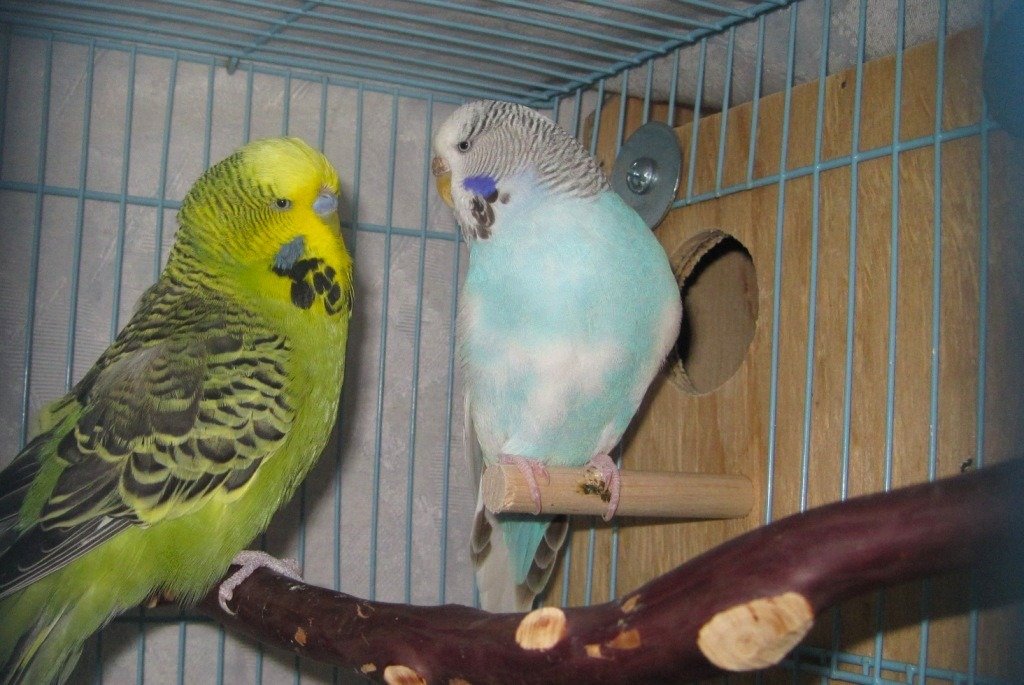
2. Creating the Ideal Breeding Environment
To encourage successful breeding, you need to provide a comfortable and safe habitat for your budgies. Here’s what you need:
- A Spacious Cage: At least 24 inches long to allow movement and comfort
- Nest Box: A wooden or plastic nest box with an entrance hole and a concave bottom for egg-laying
- Comfortable Perches: Natural wood perches to promote foot health
- Proper Lighting: 12 hours of daylight to simulate natural conditions
- Humidity and Temperature Control: Ideal temperature range of 65-85°F (18-29°C)
3. Essential Supplies for Breeding Budgies
To ensure a smooth breeding process, consider these must-have items.
- Breeding Cage: Check out this spacious breeding cage
- Nest Box: Best budgie nest box for comfort
- High-Quality Pellets and Seeds: Nutritious budgie food mix
- Calcium Supplements: Essential cuttlebone for strong eggs
- Breeding Diet: Boost fertility with this supplement
- Egg Food: High-protein egg food for hatchlings
- Hand-Feeding Formula: Best formula for baby budgies
- Digital Thermometer and Hygrometer: Monitor temperature and humidity
4. Understanding the Breeding Process
Mating Behavior and Egg Laying
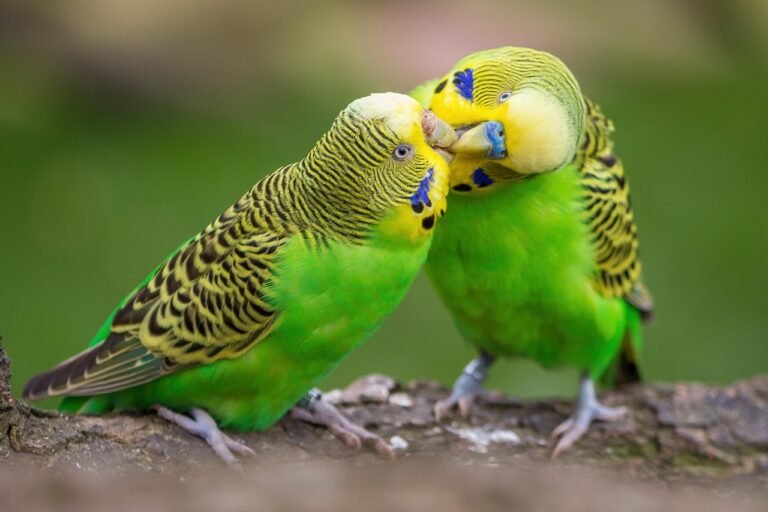
Once the pair bonds, the male will court the female by feeding her and performing displays. If she accepts, they will mate multiple times before she lays eggs.
- The female lays 4-6 eggs at intervals of 1-2 days.
- Incubation lasts around 18 days, with the female doing most of the sitting.
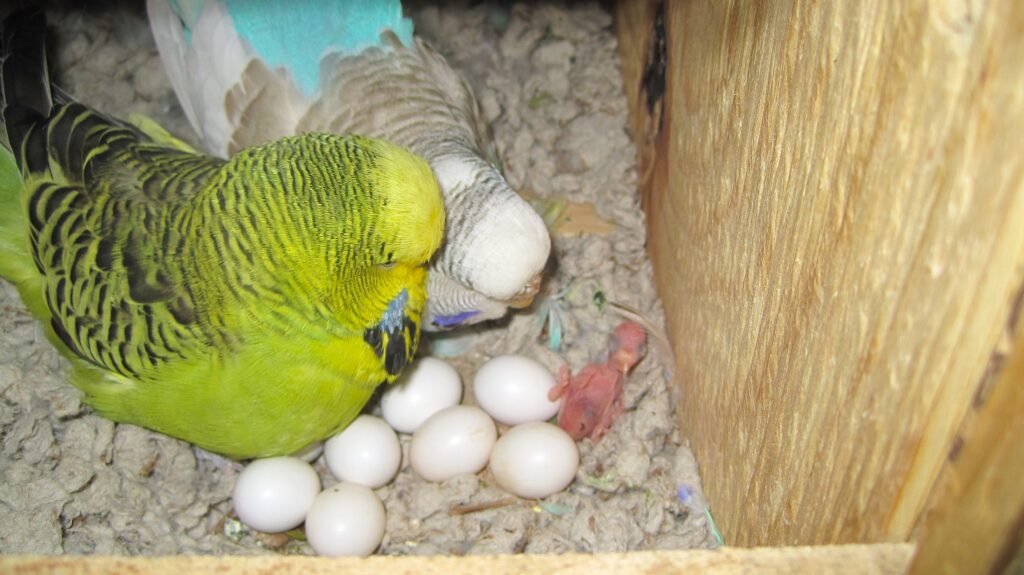
Caring for Hatchlings
- Keep the environment warm and quiet.
- Ensure the female has access to high-protein food.
- If necessary, hand-feed weak chicks with a specialized formula.
- Monitor chick development, ensuring they fledge by 4-5 weeks old.
5. Common Breeding Problems and Solutions
- Infertile Eggs: Ensure the male is mature and active.
- Aggression Between Pair: Provide more space and monitor interactions.
- Abandoned Chicks: Be prepared to hand-feed if necessary.
Final Thoughts
Breeding budgies is a fulfilling experience when done correctly. By providing the right environment, diet, and care, you can successfully raise healthy and happy chicks. Ensure you have all the necessary supplies to support their development, and enjoy the rewarding journey of budgie breeding!





One Comment
Comments are closed.